The North American Wanderer
Travel Advice for North Americans
WHY NORTH AMERICA IS ONE OF THE BEST PLACES IN THE WORLD TO VISIT
North America is a continent which is almost contained in the Northern Hemisphere and Western Hemispheres. By some experts, it is usually referred to as a northern subcontinent of the Americas. By the north, it is surrounded by the Arctic ocean, to the west and south, it is surrounded by the Pacific Ocean, to the east, it is surrounded by the Atlantic Ocean, and to the southeast, it is surrounded by South America and the Caribbean Sea.
North America happens to have a great geographic beauty, and the landscape is very attractive, making it one of the places which stands out among other places with nice features in the world. North America has a beauty which is like a realistic art work, that gives visual pleasure to anyone who sees it.
There are various places of interest which present the true definition of an amazing topography and enthralling vision.
If you are in North America for the first time, it could be quite difficult to visit all the places in just one trip. It is a place which needs regular visits based on the fact that there are lots of amazing features which you would not seem to run out off.
When you visit North America, there are lots of activities to partake in. You can decide to stop at the national park, and have a nice viewing pleasure. You can also visit popular cities such as Dallas, San Francisco, Chicago and the likes.
To make your tour in North America very easy, it is important that you put some factors in mind, so that you would ease yourself of a whole lot of stress. First off, it is essential that you book a flight, you could also decide to opt for train travel, because it is more convenient bearing in mind, the great distance which has to be covered.
You should also not be shy to ask for directions when touring North America, as everyone is friendly, and they would certainly be willing to help. The food which is sold in North America, is another beauty to behold. There are lots of deliciously prepared cuisines which are to the delight of residents and visitors alike.
TRAVELLING IN NORTH AMERICA, CANADA AND MEXICO
There is a lot to enjoy travelling in the ancient city of Mexico, the vast and delightful city of Canada and the diverse and spectacular region of North America. Although, cases of limited budget and also the cost of public transport might make it difficult to visit these areas, nonetheless, these areas are not to be missed for anything.
For instance, Mexico and North America require a little money, but possesses attractive destinations. A lot of tourists or travelers have an adamant mind on America travelling policy but they are at a big loss because they are missing out a lot.
Canada might be seen as an area that is characterized with a lot of bars for beer drinking and stands as a negative quality. Other people also view Canada drifting culturally and administratively and as such imbalanced but there is more to Canada than can be imagined.
Canada is considered tourist friendly, tolerant and accommodating. It attracts and appeal to the independent traveler. There is an all-encompassing range of hotels and dwelling areas for visitors and tourists. Also, there are so many campsites around Canada peculiar to visitors and tourists, and it serves as a place to lodge during the short time of stay.
It is important to note that one should not be ridden with so much excitement, and think the country can be toured at one length or instance. It is necessary to have a substantial budget for travel in order to enjoy a longer time to survey areas and features the country has to offer.
Also, Mexico which is great country has a lot to offer to visitors and tourists. Mexico constitutes some major effects on travelers. For instance, the absolute size and land mass of the country enables one to amass a lot in terms of gems and feelings.
There are many interesting and attractive things to behold and also many activities to engage in. A hiccup is that the terrain and road accessibility of the country is still questionable, and as such, a lot of hours would be spent in buses to move from one place to another, making the cost of transportation rise, which would be quite difficult to enjoy a tour through the country.
It is not surprising to hear how expensive living in Mexico could be, especially to locals. However, what attracts a tourist, should be the hot spots and the enthralling mode of living in Mexico.
THE NATURAL BEAUTY OF NORTH AMERICA
North America is blessed with distinct, diverse geographic beauty and attractive landscape which constitutes places that stand out amongst other places in the world. It is like a realistic work of art which brings visual delight to anyone who beholds it. We have different locations which represent true definitions of a wonderful topography and an interesting vision.
There are lakes, parks, valleys, hills, caves that gives tourists and visitors, a kind of pleasure and feeling of delight. For example, we have the Watkins Glen state park which is a place filled with a lot of areas shade by vegetation such as vines and creepers. A distinct feature is that there is a continuous buzz of on-flowing water. Also, this fascinating and enchanting forest covers spans over a lot of acres and it serves as a platform for those interested in camping activities, and also for those engaged in hiking activities.
Also, we have the Grand Prismatic spring in Wyoming, which is a national park that is covered with captivating views and sceneries. However, one very interesting feature of that area is the presence of a beauty-filled spring. It is also rainbow-colored due to the presence of a kind of special bacteria that dwells in it. The spring is one of the largest in the world and characterized with high temperature.
There is Thor’s well located in Oregon which is a natural water fountain. Due to the powerful and strong flow of currents from the Pacific Ocean, the well is seen as a place of wonder and aesthetic marvel.
Similarly, the Yosemite valley of California, which was originally formed by ground erosion caused by melting glaciers. This area constitutes pathways and routes which beckon on hikers to come and survey. In doing so, they experience the waterfalls and pools in its richness.
We also have the Badlands National Park in South Dakota which is characterized by a topography that is impossible to be avoided. There are presence of rocky hills and mountains which serves as a hunting ground for the local hunters of North America. Likewise, Sequoia National park, California which is home to the world’s tallest and humongous trees.
This park spans across several acres of land and embedded with waterfalls, large rocks and presence of a dense vegetation. There is also Carlsbad Caverns located in New Mexico and characterized with a lot of caves surrounded with spikes and columns, which is an attractive feature to visitors and tourists.
IN NORTH AMERICA FOR THE FIRST TIME
North America is a big city with diversity in features and geography. It is quite impossible to survey the entire region just in one trip or visit. Hence, it requires frequent visits and tours to actually have a grasp of what the continent has to offer. There are a lot of things to do when visiting North America for the first time, ranging from stopping by the national parks and reserves or staying at the urban and modernized areas enjoying cities like Vancouver, San Francisco, Chicago or Dallas among others.
There are some important factors to consider in order to ease your tour through North America especially when visiting for the first time. To start with, booking a flight or travelling through a train is a more convenient and suitable means of transportation because of the large distance that has to be covered.
Moving through a bus might be pretty burdensome and challenging. Also, another means is to hire a car or a cab that would transport to and fro different places. This is a platform that was built for drivers of vehicles and other automobiles due to the good access roads.
Also, it is good to know that you should never be shy or afraid of seeking help for destination to various locations on the streets of North America. The indigenous are friendly and accommodating, and would not waste time in providing a helping hand especially to those that have a different accent from theirs.
If you are also trying to save cost and prevent overspending, it is advisable to stay in hotels which are relatively cheap in Northern America, and in the case of longer stays, it is possible to rent a place for the particular duration of stay. By doing so, you get to live in places not intentionally designed for visitors and tourists.
Similarly, there is a peculiarity about North America foods owing to the fact that there is a lot more to their cuisine than the normal snacks that exist. The reality is that the food is served in more than sufficient quantity, and it is the same way from one food store or restaurant. Hence, you should be prepared to add at least a considerable amount of weight on your visit to the continent.
Likewise, North America is known to be a cold region especially during the winter season. It is advisable to plan your trip putting into consideration that it might be a little bit chilly, hence, get clothes or clothing materials that would provide enough warmth.
HISTORY AND CULTURE IN NORTH AMERICA
In order to keep records and data of the North-American culture, geographers and anthropologists have gone ahead to divide the entire area into groups of culture areas, which shares similar characteristics and features, alongside with a common territory and habitat.
The different divisions include: The Arctic, the Subarctic, the North-east, California, the Plateau, the South-west, and the Great Basin etc. For instance, the arctic culture area which is a cold area characterized with froze deserts was initially home to the Inuit and Aleut who spoke languages that were passed down from Eskimo-Aleut language family.
The Arctic’s population were minute in number and scattered. Some of the people that inhabited the place especially the Inuits were nomads, and they were accustomed to seasonal migration. The Inuit and Aleut lived in dome-shaped houses, and they used animal skins to make clothing which were most times weather proof.
Similarly, we have the Subarctic which is mostly comprised of swampy areas and water drenched areas. This culture area is divided into two language groups which are the Athabaskan and Algonquian speakers. In the subarctic region, there was great difficulty in transportation because of the scarcity of transportation means because the only available ones were lightweight canoes and snow shoes.
The residents of the Subarctic did not form large permanent places of abode, hence, they lived in tents and temporary structures and when weather conditions were harsh, they migrated.
Also, the North east cultural which was one of the first to have a prolonged access to the Europeans. Its inhabitants constituted two main groups which includes the Iroquoian speakers and also the Algonquian speakers. They resided in small villages known for farming and fishing activities. They were faced with conflicts and struggles which arose from opposition villages which constantly raided them.
To add to that, the Great Basin culture area which is a vast and expansive area, comprises a desert, lakes and salt deposits. It was home for people who spoke Shoshonean or Uto-Aztecan dialect. They lived on compact and temporary abodes because of the need to always be on the move due to the nature of the activities they perform.
We also have the California culture area which hosted about 100 different tribes that spoke hundreds of dialects. It was estimated such that California’s linguistic landscape was more complex than even Europe itself, but despite the diversity in language, many California inhabitants lived similar lives and engaged in similar activities which include hunting, fishing, gathering, farming among others.
CITIES TO VISIT IN NORTH AMERICA
There are a lot of beautiful cities to visit in North America which are top destinations to survey when visiting North America. Each city has its own special and dynamic features which attracts tourists and travelers.
Firstly, there is a city called Cambria in California which is assumed to be one of the prettiest and attractive expanse of coastal area in the whole of North America. This area is characterized with immense beauty and splendor and although it is a little town, it is a sight to behold. You can go on a visit, and take a walk through the Moonstone beach in order to have a view of the sea life, and also take a tour or a survey through the mountains.
Also, Quebec City which is one of the most beautiful cities in the world, attracts travelers and tourists by the presence of its historical and cultural edifices, captivating sites and interesting views. For instance, you can have a quiet time out at Jardin Jeanne d’ Arc which is a luxurious park filled with richness.
In addition, Wailei located in Hawaii, is home to stunning and attractive beaches and luxurious resorts for relaxation and entertainment. Also, this city is blessed with various reserves which facilitates tourist attractions and also has to offer exquisite foods, beautiful sights and also an inviting and comfortable weather.
Similarly, we have Victoria City in British Columbia which is one of the most fascinating areas in North America. This area comprises restaurants which offer superb delicacies and art galleries which showcase interesting works by citizens of the city. They also observe festivals and carnivals which foster interactions and sociality. Also, this is a city made for multiple visits such as for beaches, lakes, valleys, regional parks etc.
There is also Cambridge City situated in Massachusetts, which is known as a city of neighborhoods. The city comprises areas such as Harvard square which is home to lots of book lovers. There are also places for thrift shopping in the case of spending minimally while on tour.
We also have, Paso Robles of California, which is an area known for a large production of wine and has a large variety of breweries and distilleries. So, this city serves as a haven to tourists which find interest in taking wine and beer. In addition to this, there are eateries which offer great meals.
Advice for Travelers from North America
 North Americans who travel abroad cannot expect to encounter the ways of their own country in the other countries they travel through. Every culture is unique and diverse. A majority of the people who travel abroad in North America reside in the United States and Canada. People from the United States have an unfortunate international reputation for being unadventurous. Americans are known in other countries as people who do not tend to embrace other people’s cultures. This is slowly changing with a rise of young people who are taking the initiative to travel abroad. All the same, Canadians and Americans have reputations that precede them the world over.
Canadians tend to do well traveling abroad. The world appreciates Canadians for their polite, friendly ways and for their unoffensive stance on global issues. Canadians tend to be welcomed wherever they go. There are still plenty of travel advisories on where Canadians are not presently safe to travel, but a majority of the world loves to have Canadians in their country. It is not uncommon for citizens of the United States to travel under a facade of Canadian residency to be more widely accepted.
To reiterate, the reason that people from the United States are sometimes rejected by people of other countries is because Americans have historically been limited in their ability to accept other cultures. Even as the U.S. was being formed, imperialism extended from England to the United States and gave Americans an inherent tendency to colonize. It has long been a tradition of Americans to usurp other cultures rather than embrace them. Plus, with the United States so long holding the global seat of power and economy, Americans felt little need to venture outside the country.
Advice for Travelers in North America
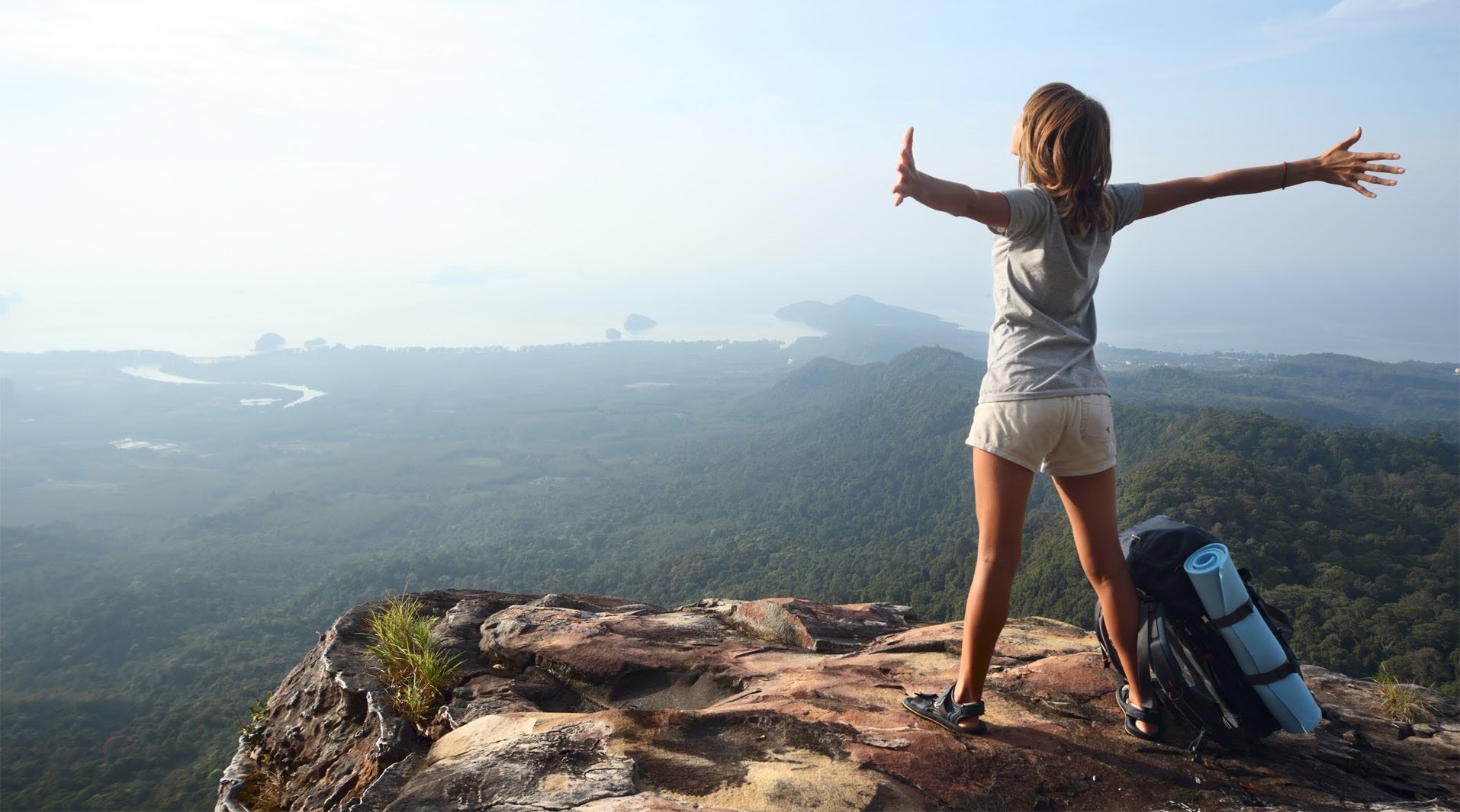 North America is a vast and diverse place. Travels through North America require a great deal of savvy and preparedness. Anyone who has the opportunity should explore North America’s abundance of sights, tastes and sounds to the fullest. However, foreseeing journey to some degree is important. Here is some North American travel advice to ensure that your travels are safe and enjoyable:
- Prepare carefully for your travels. This applies to anywhere you travel in the world. Having a set itinerary is a necessity for safe travel. Knowing where you will be staying and when keeps you on a plan, and allows your loved ones at home to know when you arriving somewhere and how long you are staying there. It is wise to map out your travels to be in control of the direction you are taking. Be sure to save enough money for everything you want to accomplish on your travels, and prepare for the dollar conversion, if you are traveling internationally. Traveler’s health insurance is a must for safety. Anything could happen to you while you are traveling and you do not want to be without health insurance in a strange place. Always put safety first.
- Do not be trusting with your possessions. Theft rates rise steeply for people who are traveling. Never leave your possessions in the care of someone you do not know. If you are staying in hostels or other places that allow people access to your belongings, lock them in a locker before leaving them unattended. Be aware of what you put in your pockets or on your person and keep an eye out for pick pockets at all times.
- The longer you plan to travel, the lighter you should pack. If you intend for your travels to lead you a great distance over an extended period of time, you should pack less, not more. You want to be able to pick up and go quickly if you intend to move around a lot. Too many personal possessions will hinder your ability to do that. Plus, it is liberating to discover how little you need to survive in the world.
Traveling through North America
 There are a plethora of things to see during travels through North America. There are 23 countries in North America, and Canada and the United States are the most frequently traveled of them. Anyone who makes the choice to travel throughout these two countries will be astounded at their beauty and memorability. So long as they have traveler’s insurance, money to live off of and are prepared for the unpredictable, will have an unforgettable time. Plan a lot of vacation time for yourself as you will want to absorb a great many things.
Canada is considered by many to be one of the most beautiful countries in the world. Canada contains the world’s largest reserve of fresh water, which means the natural water sources of Canada are abundant, beautiful and recreational. A majority of Canada’s scenic wonders revolve around water of some sort, such as Niagara Falls, Lake Louise and the Great Lakes. Some of the most desirable travel destinations in Canada are the beaches of Vancouver Island, the cultured and lovely city of Vancouver, the ski slopes of Whistler, the wine of the Okanagan Valley, the epic Canadian Rockies and their beloved mountain towns of Jasper and Banff, the metropolis of Toronto, the Canadian side of the Great Lakes, the majesty of Niagara Falls and the arts capitol of Montreal.
Some times, a frame of mind for Travelling through North America has a lot to do with your mental health and frame of mind.
The United States of America are one of the world’s premiere travel destinations. As the most powerful country on earth and the seat of modern Western civilization and culture, the U.S. has natural draw for how it has influenced the world. Apart from that, the U.S. also contains incredible wonders and entertainment. California alone contains beaches, zip codes and natural parks that are some of the most famous in the world. New York is the business and culture capitol of the world, as well as being the most recognizable city in the world. Every corner of the U.S. has something to see, from the lights of Las Vegas to the jazz and Cajun cooking of New Orleans to the everglades of Florida.
The Traveling Life
 A life of travel is a blessed one. There are lessons and gifts that one receives by traveling that cannot be received any other way. The feeling of freedom, the reward of new experiences and the humility before different ways of life are all part of what travel does to your soul. To maximize your travel experiences, consider the following tips:
- Travel while you are young. You will benefit from travel at any phase of life, but none more so than in your youth. When we are young, we are flexible, hungry to learn and inspired. This is a phase of life that will set the tone for the rest of our lives. If you are brave enough to be adventurous, curious and courageous through travel, the benefits will be enormous. You will become cultured, enlightened and a valuable asset to the other endeavors you tackle in life. Not to mention, young legs and a young back are much better at carrying backpacks!
- Travel as far as you possibly can. The more you take in during your travels, the more you will grow as a person. Be bold and courageous in your travels. Mingle with the locals. Participate in the local culture. You will come away from it much wiser and much more cultured than you were before.
- Travel extended. This requires a lot of courage because it often means surrendering some of your precious security. Extended travelling, the kind that requires at least a month (if not more), takes you to a whole new level of traveling. It allows you to become more consumed in the places you travel and develop other sides of your character for a more extended period of time. It is also liberating to break away from thinking that money and security are your only objectives in life. Merely committing to something that is not about making money, such as travel, is an excellent test of character as well as a sign of strength. Everyone should take this kind of action at least once in their lives.