The North American Wanderer
Travel Advice for North Americans
Journeys That Heal: The Science Behind Travel and Emotional Well-Being
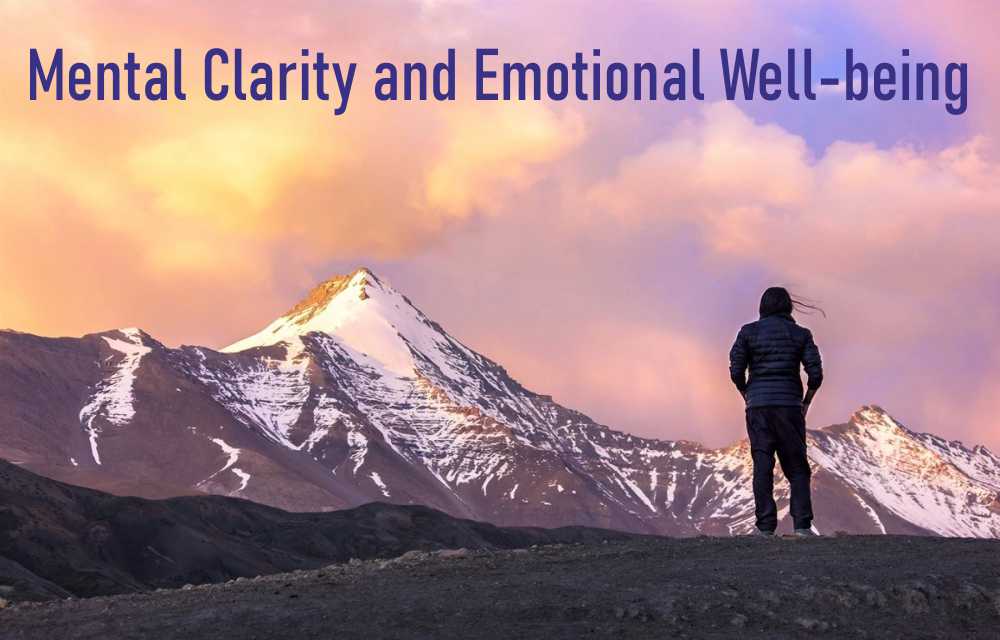
Recovery from addiction and mental health challenges is a multifaceted process. It requires professional care, personal reflection, and intentional lifestyle changes. While therapy, counseling, and structured treatment programs provide essential support, experiences outside the clinic can significantly enhance emotional well-being. Travel is one such experience. Scientific research and practical observation both indicate that exploring new places can reduce stress, improve mood, and strengthen resilience. Whether through short retreats, nature excursions, or longer journeys, travel offers measurable benefits that support holistic recovery.
The Psychological Impact of Travel
Travel introduces individuals to new environments, cultures, and experiences. This exposure encourages cognitive flexibility—the ability to adapt, problem-solve, and view challenges from different perspectives. For individuals in recovery, cognitive flexibility is crucial for managing triggers, reducing anxiety, and maintaining emotional balance.
Stepping into unfamiliar surroundings allows the mind to reset. The routine stressors of daily life, which can often exacerbate anxiety or depressive symptoms, are replaced with opportunities for curiosity, engagement, and mindful observation. Research indicates that even brief changes in environment can improve mood, enhance creativity, and reduce negative thought patterns.
How Novel Experiences Promote Mental Clarity
When traveling, the brain is actively processing new stimuli: sights, sounds, and interactions that differ from daily life. This novelty activates reward pathways and releases dopamine, improving overall mood and motivation. Engaging with unfamiliar settings encourages mindfulness, drawing attention to the present moment and away from ruminative thinking that often accompanies anxiety or depression.
Physical and Emotional Benefits of Travel
Travel is not only mentally stimulating but also physically restorative. Walking through scenic landscapes, hiking, or exploring urban environments increases activity levels, which release endorphins and improve emotional regulation. Exposure to nature, in particular, has been shown to lower cortisol levels, reduce stress, and promote relaxation.
Building Resilience Through Adventure
Navigating new places challenges individuals to plan, adapt, and problem-solve. Each successful experience, whether it involves coordinating travel logistics or embracing unexpected changes, reinforces confidence and emotional resilience. These skills are directly transferable to recovery, helping individuals handle stress and setbacks with greater ease.
Emotional Connection and Reflection
Travel also provides opportunities for connection—both with others and with oneself. Shared experiences with peers, meaningful social interactions, or moments of quiet reflection in nature or spiritual settings encourage gratitude, self-awareness, and a sense of purpose. These emotional benefits strengthen the foundation for holistic recovery, nurturing mind, body, and spirit.
Integrating Travel Into Holistic Recovery
Travel does not need to be extensive or extravagant to provide therapeutic benefits. Even short trips or local retreats can promote emotional well-being. Holistic and faith-based treatment programs often encourage intentional travel experiences as a complement to inpatient or outpatient care. By combining professional guidance with mindful exploration, individuals in recovery can reinforce coping strategies, deepen self-understanding, and foster long-term mental health growth.
Taking the Next Step
Healing is a journey, and travel can serve as a powerful catalyst for emotional renewal. Stepping outside familiar surroundings opens doors to new perspectives, reduces stress, and encourages mindfulness—all critical components of recovery.
If you or a loved one is seeking guidance for addiction or mental health challenges, professional support is available. At My SEO Directory, compassionate and individualized treatment plans integrate evidence-based therapy with holistic experiences, helping clients achieve lasting emotional well-being. Begin your journey today and discover how exploration can enhance your path to recovery.
The North American Wanderer: Finding Stability and Mental Wellness in a Life on the Move
Across the vast landscapes of Canada and the United States, a new demographic is emerging: the “North American Wanderer.” Whether driven by the freedom of remote work, a desire for geographical discovery, or a restless search for peace, thousands of individuals now lead lives that are intentionally transient. However, at myseodirectory.info, we recognize that a life without a fixed “anchor” can present unique challenges to one’s mental health. When your home is wherever you park or land, maintaining a consistent routine for addiction recovery or mental health treatment requires a professional and highly individualized approach.
The Psychological Toll of the Transitory Life
While the “wanderer” lifestyle is often romanticized, the reality of constant movement can lead to a sense of “rootlessness.” Humans are biologically wired for community and stability. Without these, the nervous system can slip into a state of chronic high arousal, often called “traveler’s fatigue” or situational anxiety.
For those already navigating the “invisible weight” of past trauma or substance use, this lack of a home base can exacerbate addictive tendencies as a way to cope with the stress of the unknown. Professional wellness is about creating an internal sense of home, even when your external environment is constantly shifting.
1. Bridging the Gap: Telehealth and Outpatient Flexibility
The greatest hurdle for the North American Wanderer is the perceived inability to commit to long-term care. At My SEO Directory, we emphasize a continuum of care that adapts to your mobility.
- Virtual Individualized Care: Modern mental health treatment is no longer bound by four walls. Professional telehealth services allow wanderers to maintain a consistent relationship with their therapist, regardless of which time zone they are in.
- Intensive Outpatient Programs (IOP): For those spending a season in one location, an intensive outpatient program can provide the clinical structure needed to reinforce sobriety while allowing the individual to continue their journey.
2. When the Wanderer Needs a Port: Inpatient Residential Care
Sometimes, the most courageous thing a wanderer can do is stop moving. If your journey has been hijacked by addiction or a mental health crisis, seeking an inpatient residential sanctuary is a vital “living solution.”
An inpatient stay provides:
- Medical Detoxification: A professional, safe environment to manage withdrawal away from the stresses of the road.
- Environmental Reset: A chance to pause the “wandering” and focus entirely on internal landscapes.
- Community Connection: Replacing the isolation of the road with a supportive peer group that understands your unique struggles.
3. Holistic Tools for the Mobile Mind
How do you stay healthy when your routine changes every week? We teach “portable” wellness strategies that can be practiced anywhere in North America:
- Mindfulness and Grounding: Using the natural beauty of the Okanagan, the Rockies, or the Appalachians as a backdrop for meditative practices.
- Structured Routine: Learning to build a “mental architecture” of daily habits (sleep hygiene, nutrition, and exercise) that stays the same even when the scenery changes.
- Spiritual Anchors: For many, a faith-based perspective provides the ultimate “internal compass,” offering a sense of purpose and belonging that transcends geographical location.
4. Addressing the “Geographical Cure” Myth
A common trap for the North American Wanderer is the “geographical cure”—the belief that if you just keep moving, your problems will stay behind you. At myseodirectory.info, our compassionate and professional team helps you realize that while you can change your zip code, you cannot outrun your mental health. True restoration happens when you decide to stand still and face the challenges head-on with professional support.
Your Journey Toward Clarity Starts Here
Whether you are currently on the road or planning your next great North American adventure, your mental health is your most important piece of gear. Don’t let addiction or depression turn your journey of discovery into a flight from pain.
At myseodirectory.info, we are dedicated to providing the professional, client-centered care that travelers and residents alike deserve. From individualized inpatient programs to flexible outpatient support across North America, we are here to help you find your direction.
Reach out to us today. Let’s work together to make sure your wandering is a choice, not a compulsion, and that your path always leads toward a healthy, meaningful life.
New Places, New Perspectives: How Travel Supports Mental Health Growth
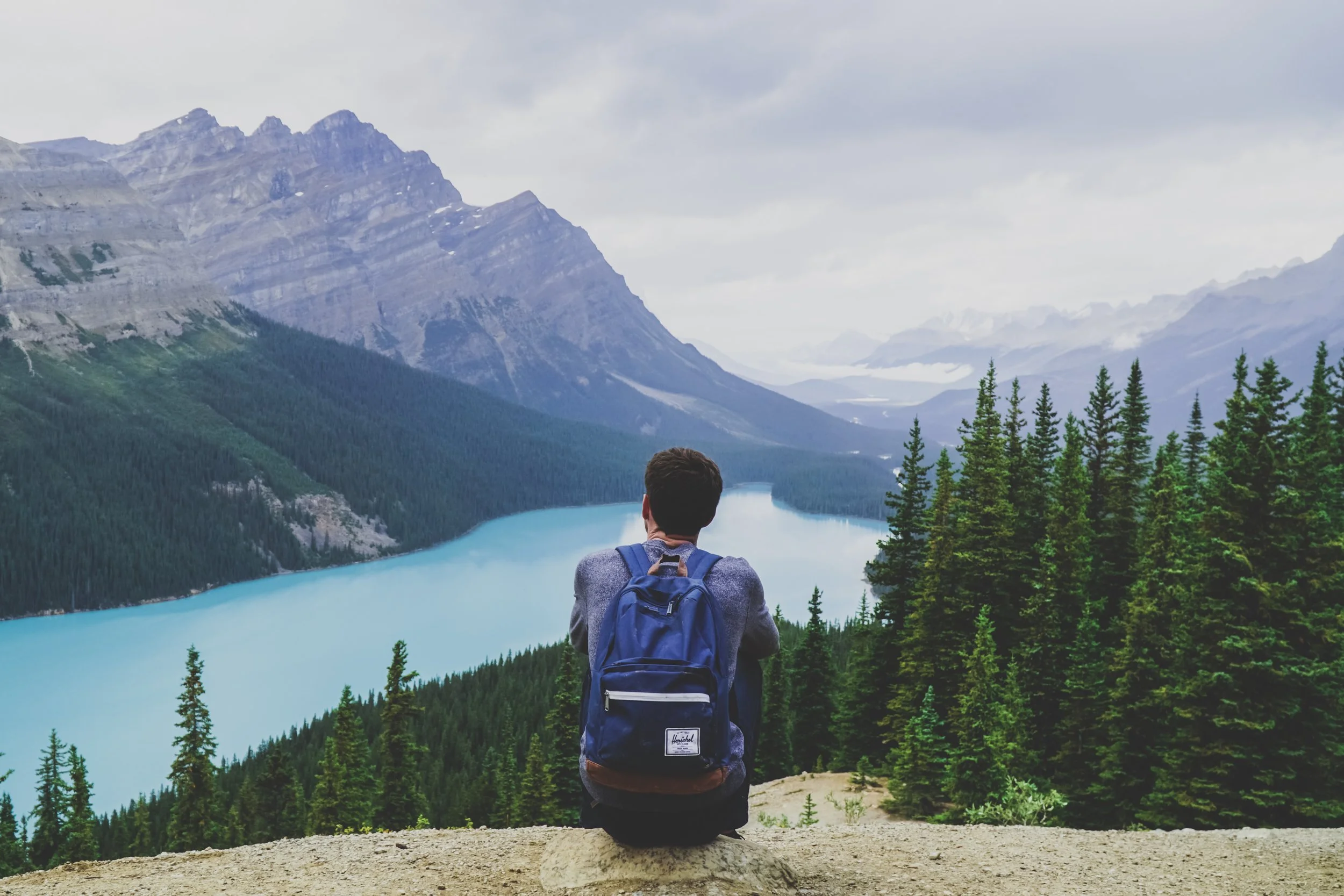
Recovery from addiction and mental health challenges is a multifaceted journey. While therapy, counseling, and structured treatment programs are essential, true growth often comes from experiences that expand the mind and nurture the spirit. Travel is one such experience. Exploring new places allows individuals to gain fresh perspectives, foster mindfulness, and strengthen emotional resilience. Whether through local retreats, nature excursions, or international trips, travel can be a powerful complement to professional care, supporting mental health growth and overall well-being.
How Travel Encourages Mental Clarity
Daily routines and familiar surroundings can provide comfort but may also reinforce stress, negative thought patterns, or triggers. Traveling introduces a shift in environment, breaking these patterns and allowing the mind to reset. This change encourages reflection, self-awareness, and emotional balance.
For individuals in recovery, stepping into new settings can spark clarity and perspective. Holistic and faith-based programs recognize the value of environmental changes, often integrating retreats or guided excursions into treatment plans to promote mindfulness, insight, and personal growth.
Breaking Free From Routine
Routine is important in early recovery, providing stability and structure. However, stepping out of familiar environments can help individuals build resilience and adaptability. Travel encourages problem-solving, planning, and engagement with the present moment—all skills that strengthen mental health and support long-term recovery.
The Emotional Benefits of Exploring New Places
Travel provides several emotional and psychological benefits that directly contribute to mental health growth.
Reduces Stress and Anxiety
Being in a new environment reduces the pressures of daily life. Whether walking through a peaceful park, hiking scenic trails, or visiting a cultural landmark, travel encourages relaxation and helps lower stress hormones. These experiences offer natural relief from anxiety and promote emotional balance.
Promotes Mindfulness and Presence
Travel naturally encourages attention to the present. Observing unfamiliar sights, listening to new sounds, and engaging with different cultures fosters mindfulness. Focusing on the present helps individuals in recovery manage intrusive thoughts and develop emotional regulation skills that are vital for long-term mental health.
Builds Confidence and Resilience
Navigating new places, planning activities, and adapting to unexpected situations reinforces confidence and resilience. Each successful experience affirms an individual’s ability to manage challenges and reinforces coping strategies that are critical for recovery.
Strengthens Connection and Reflection
Travel provides opportunities for meaningful social interactions, shared experiences, and moments of solitude. These moments encourage self-reflection, gratitude, and spiritual connection. Engaging with others and the environment nurtures a sense of purpose and belonging, which are essential components of holistic recovery.
Integrating Travel Into Recovery Programs
Travel does not have to involve long distances or elaborate planning to be beneficial. Weekend retreats, local nature excursions, or structured wellness trips can provide similar emotional and psychological benefits. The key is intention—approaching travel as an opportunity for reflection, growth, and mindfulness.
When combined with professional addiction treatment and mental health services, travel becomes an integral part of a holistic approach. Inpatient and outpatient programs that emphasize individualized care can use travel as a therapeutic tool to support emotional healing, mental clarity, and overall resilience.
Taking the Next Step
New places offer new perspectives. Travel allows individuals in recovery to step outside their comfort zones, gain clarity, and reconnect with themselves and the world. By integrating travel into a comprehensive recovery plan, individuals can nurture mental health, build resilience, and foster a deeper sense of purpose.
If you or a loved one is seeking support for addiction or mental health challenges, professional, compassionate care is available. At My SEO Directory, individualized treatment options help clients combine clinical guidance with meaningful life experiences, supporting lasting recovery and mental health growth. Take the first step today and explore how new experiences can lead to renewed clarity and emotional well-being.
Expanding Horizons: Travel as a Tool for Emotional Renewal in Recovery

Recovery from addiction and mental health challenges is a journey that requires courage, commitment, and support. While therapy, counseling, and structured treatment programs provide a strong foundation, experiences beyond the clinic can also play a vital role in healing. Travel is one such tool. By stepping outside familiar environments and exploring new places, individuals in recovery can experience emotional renewal, gain perspective, and strengthen resilience. Travel is more than a temporary escape; it is a pathway to mental clarity, self-discovery, and lasting well-being.
The Connection Between Travel and Emotional Health
Routine and familiar settings can inadvertently reinforce stress, triggers, and negative thought patterns. Introducing new environments stimulates the mind, offering fresh perspectives and opportunities for reflection. Travel provides a natural break from the patterns that contribute to anxiety, depression, or lingering emotional tension.
Holistic and faith-based programs recognize the value of environmental change in recovery. Outings, retreats, or guided excursions complement inpatient and outpatient care by fostering mindfulness, self-awareness, and emotional growth. Engaging with new surroundings encourages individuals to reconnect with themselves and the world around them in meaningful ways.
How Travel Supports Emotional Renewal
Travel offers several key benefits for emotional well-being during recovery.
Encourages Mindfulness and Presence
When visiting new places, individuals naturally focus on the present moment. Observing unfamiliar landscapes, engaging in cultural experiences, or participating in activities outside their comfort zone promotes mindfulness. This attention to the present reduces anxiety, quiets the mind, and fosters emotional clarity.
Boosts Mood and Reduces Stress
Physical activity and exposure to new environments naturally improve mood. Walking through a scenic area, hiking, or simply exploring a new city releases endorphins and lowers stress hormones. Studies show that travel and exposure to nature can significantly reduce symptoms of anxiety and depression, enhancing overall emotional resilience.
Builds Confidence and Emotional Strength
Navigating unfamiliar places encourages problem-solving, adaptability, and self-reliance. Each challenge met while traveling reinforces confidence and emotional strength, essential qualities for maintaining recovery and managing life’s unexpected obstacles.
Fosters Connection and Reflection
Travel offers opportunities for meaningful social connection, whether through shared experiences with peers or moments of solitude for reflection. These interactions nurture emotional well-being and help individuals cultivate gratitude, hope, and purpose—qualities that are critical for long-term recovery.
Integrating Travel into Holistic Recovery
Travel does not need to be extensive or costly to be effective. Local retreats, nature excursions, or guided wellness trips can provide the same restorative benefits as distant travel. The key is intentionality—approaching each journey with the goal of self-reflection, emotional growth, and mindfulness.
Incorporating travel into a comprehensive recovery plan aligns with holistic treatment philosophies. When combined with professional care, counseling, and faith-based support, travel helps individuals heal mind, body, and spirit, reinforcing coping strategies and promoting long-term emotional resilience.
Taking the Next Step
Expanding your horizons through travel is not just about seeing new places; it is about reconnecting with yourself and rediscovering the world with renewed hope. Emotional renewal gained from travel supports recovery, strengthens resilience, and promotes a balanced, mindful life.
If you or a loved one is seeking support for addiction or mental health challenges, professional guidance is available. At My SEO Directory, compassionate and individualized care helps clients integrate holistic experiences, like travel, into their recovery journey. Take the first step today toward emotional renewal and lasting well-being.