The North American Wanderer
Travel Advice for North Americans
Journeys That Heal: The Science Behind Travel and Emotional Well-Being
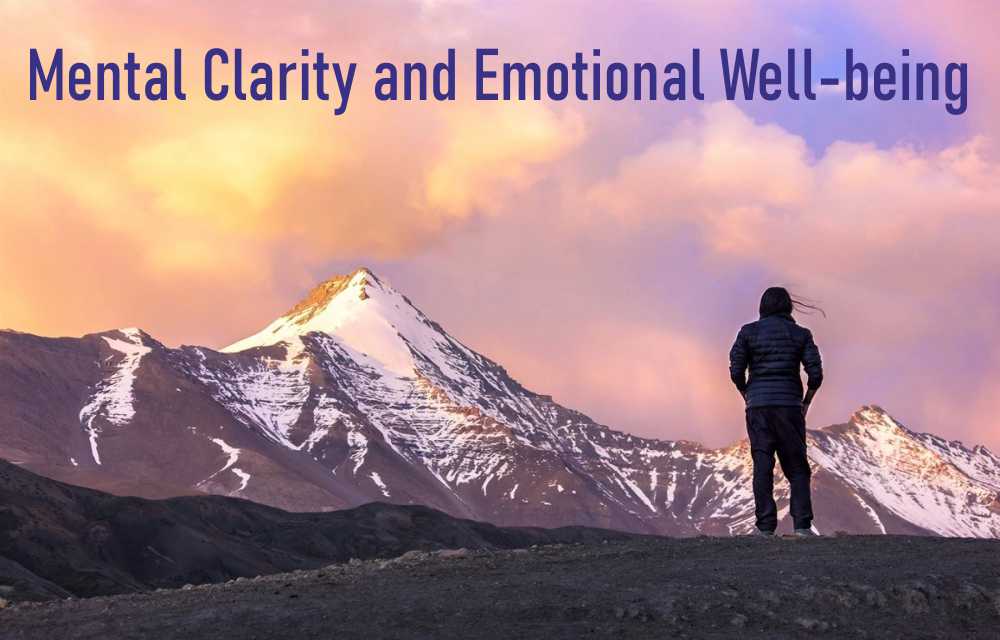
Recovery from addiction and mental health challenges is a multifaceted process. It requires professional care, personal reflection, and intentional lifestyle changes. While therapy, counseling, and structured treatment programs provide essential support, experiences outside the clinic can significantly enhance emotional well-being. Travel is one such experience. Scientific research and practical observation both indicate that exploring new places can reduce stress, improve mood, and strengthen resilience. Whether through short retreats, nature excursions, or longer journeys, travel offers measurable benefits that support holistic recovery.
The Psychological Impact of Travel
Travel introduces individuals to new environments, cultures, and experiences. This exposure encourages cognitive flexibility—the ability to adapt, problem-solve, and view challenges from different perspectives. For individuals in recovery, cognitive flexibility is crucial for managing triggers, reducing anxiety, and maintaining emotional balance.
Stepping into unfamiliar surroundings allows the mind to reset. The routine stressors of daily life, which can often exacerbate anxiety or depressive symptoms, are replaced with opportunities for curiosity, engagement, and mindful observation. Research indicates that even brief changes in environment can improve mood, enhance creativity, and reduce negative thought patterns.
How Novel Experiences Promote Mental Clarity
When traveling, the brain is actively processing new stimuli: sights, sounds, and interactions that differ from daily life. This novelty activates reward pathways and releases dopamine, improving overall mood and motivation. Engaging with unfamiliar settings encourages mindfulness, drawing attention to the present moment and away from ruminative thinking that often accompanies anxiety or depression.
Physical and Emotional Benefits of Travel
Travel is not only mentally stimulating but also physically restorative. Walking through scenic landscapes, hiking, or exploring urban environments increases activity levels, which release endorphins and improve emotional regulation. Exposure to nature, in particular, has been shown to lower cortisol levels, reduce stress, and promote relaxation.
Building Resilience Through Adventure
Navigating new places challenges individuals to plan, adapt, and problem-solve. Each successful experience, whether it involves coordinating travel logistics or embracing unexpected changes, reinforces confidence and emotional resilience. These skills are directly transferable to recovery, helping individuals handle stress and setbacks with greater ease.
Emotional Connection and Reflection
Travel also provides opportunities for connection—both with others and with oneself. Shared experiences with peers, meaningful social interactions, or moments of quiet reflection in nature or spiritual settings encourage gratitude, self-awareness, and a sense of purpose. These emotional benefits strengthen the foundation for holistic recovery, nurturing mind, body, and spirit.
Integrating Travel Into Holistic Recovery
Travel does not need to be extensive or extravagant to provide therapeutic benefits. Even short trips or local retreats can promote emotional well-being. Holistic and faith-based treatment programs often encourage intentional travel experiences as a complement to inpatient or outpatient care. By combining professional guidance with mindful exploration, individuals in recovery can reinforce coping strategies, deepen self-understanding, and foster long-term mental health growth.
Taking the Next Step
Healing is a journey, and travel can serve as a powerful catalyst for emotional renewal. Stepping outside familiar surroundings opens doors to new perspectives, reduces stress, and encourages mindfulness—all critical components of recovery.
If you or a loved one is seeking guidance for addiction or mental health challenges, professional support is available. At My SEO Directory, compassionate and individualized treatment plans integrate evidence-based therapy with holistic experiences, helping clients achieve lasting emotional well-being. Begin your journey today and discover how exploration can enhance your path to recovery.