The North American Wanderer
Travel Advice for North Americans
When Travel Anxiety Takes Over: Simple Ways to Enjoy North American Adventures With Greater Confidence

Travel is often described as an opportunity to relax, explore, and escape everyday routines. Yet for people living with anxiety, navigating addiction recovery, or managing other mental health challenges, a trip can bring more worry than excitement. Crowded airports, unfamiliar streets, disrupted sleep, and uncertainty about what comes next can make even a short journey feel overwhelming. Fortunately, travel anxiety does not have to prevent you from discovering new places. With practical preparation, manageable expectations, and the right support, you can enjoy North American adventures while protecting your emotional well-being.
The goal is not to eliminate every uncomfortable feeling before leaving home. Instead, it is to understand what makes travel difficult, develop useful coping strategies, and give yourself permission to explore at a pace that feels appropriate. Whether you are planning a weekend getaway or a longer journey, small changes can make a meaningful difference.
Understanding Why Travel Can Trigger Anxiety
Travel introduces changes that may challenge your usual sense of control. You might need to navigate unfamiliar transportation systems, communicate with strangers, manage unexpected expenses, or adjust to a different schedule. Even positive experiences can feel stressful when several changes happen at once.
For people in addiction recovery, these challenges may carry additional concerns. Stress, fatigue, loneliness, and exposure to substances can affect emotional stability and increase cravings for some individuals. Anxiety and addiction can also occur together, making it important to consider both when planning a trip.
Recognize Your Personal Anxiety Triggers
Travel anxiety is not the same for everyone. One person may feel uncomfortable in crowded airports, while another may worry about getting lost, missing a connection, or being far from familiar support.
Before traveling, consider which situations tend to make you anxious. Common concerns include:
- Crowded public transportation and busy terminals.
- Fear of missing flights, trains, or scheduled activities.
- Unfamiliar accommodation or surroundings.
- Social situations and meeting new people.
- Changes to sleep, meals, and daily routines.
- Separation from family, friends, or recovery support.
- Unexpected expenses or changes in travel plans.
Identifying your concerns gives you something specific to address. Rather than worrying about the entire trip, you can prepare for the situations that are most likely to affect you.
Plan Ahead Without Trying to Control Everything
Preparation can reduce uncertainty, but excessive planning can sometimes create more pressure. The aim is to organize the important details while leaving enough flexibility to respond to changing circumstances.
Break the Journey Into Manageable Steps
Looking at an entire trip at once can make it seem complicated. Instead, divide the experience into smaller stages.
For example, a flight might involve arranging transportation to the airport, checking in, passing through security, boarding, and collecting luggage. Thinking about each stage separately makes it easier to identify what needs attention.
Prepare essential information in one accessible place. Keep your booking details, accommodation address, transportation arrangements, and emergency contacts available on your phone or in a printed document.
If you are visiting an unfamiliar city, review basic transportation options before arrival. Knowing how to reach your accommodation can remove one common source of uncertainty.
Build Extra Time Into Your Schedule
Rushing can intensify anxiety. Whenever possible, allow extra time for airport check-ins, road travel, transfers, and scheduled activities.
Avoid creating an itinerary that requires you to move constantly from one attraction to another. Include breaks between activities and leave room for unexpected delays.
Remember, a successful trip does not require you to experience everything a destination offers. A few enjoyable experiences may be more rewarding than a packed schedule that leaves you exhausted.
Use Practical Techniques When Anxiety Rises
Even with careful planning, you may experience anxious moments during your journey. Having a few simple techniques ready can help you respond without allowing worry to dictate every decision.
Practice Grounding and Controlled Breathing
When anxiety increases, your attention may become focused on possible problems rather than what is happening around you. Grounding techniques can help redirect your attention to the present moment.
One option is the five senses exercise. Notice five things you can see, four things you can feel, three things you can hear, two things you can smell, and one thing you can taste. You can practice this quietly while waiting at a terminal or sitting in a hotel room.
Slow, comfortable breathing may also help you settle. Breathe gently, allowing your exhale to be slightly longer than your inhale if that feels comfortable. Avoid forcing deep breaths or continuing a technique that makes you feel worse.
These methods are coping tools, not guaranteed solutions. If anxiety is persistent or interferes with daily activities, professional guidance can help you identify more effective strategies.
Give Yourself Permission to Pause
Travel culture often encourages people to stay busy. However, pushing through every uncomfortable moment can increase emotional exhaustion.
If a crowded attraction feels overwhelming, step outside or find a quieter place. If you become anxious while navigating a city, stop somewhere safe and review your directions. If you feel tired, return to your accommodation instead of forcing yourself to continue sightseeing.
Taking a break does not mean the trip has gone wrong. It means you are responding to your needs.
Start With Experiences That Feel Manageable
You do not need to begin with a complicated international journey or a crowded tourist destination. Building confidence through smaller experiences can help make future travel feel more approachable.
Try Short Trips Before Longer Adventures
If travel anxiety has kept you close to home, consider starting with a nearby attraction, a day trip, or a one night stay in a familiar region.
These shorter experiences provide opportunities to practice planning, navigating unfamiliar places, and managing changes to your routine. You can gradually increase the distance or complexity as you become more comfortable.
For example, you might begin with a visit to a nearby museum, then plan a weekend in another city. Later, you could consider a longer journey involving flights or multiple destinations.
The pace should reflect your needs, not pressure from other people.
Choose Destinations That Match Your Comfort Level
North America offers a wide range of travel experiences. A quiet lakeside town, a scenic coastal route, a national park, or a smaller historic community may feel more comfortable than a crowded entertainment district.
Consider what helps you feel relaxed and engaged. Some travelers enjoy nature and open spaces, while others prefer museums, cultural events, or organized tours.
Choose activities that interest you and allow enough time to enjoy them. Travel should create opportunities for positive experiences, not become another source of performance pressure.
Protect Your Recovery While Managing Travel Anxiety
For someone in addiction recovery, anxiety management and relapse prevention may need to be considered together. Stress can affect decision making, sleep, and emotional regulation. In certain circumstances, it may also increase vulnerability to cravings.
A recovery friendly travel plan should therefore include more than sightseeing arrangements.
Maintain the Habits That Support Your Stability
Before leaving, identify the routines that help you maintain your recovery. These may include regular meals, adequate sleep, prescribed medication, counseling, support meetings, physical activity, or daily reflection.
You may not be able to follow your usual schedule exactly, but you can make reasonable adjustments.
If you attend recovery meetings, research virtual or in person options at your destination. If you receive outpatient counseling, discuss your travel dates with your provider and plan for continuity of care when appropriate.
Keep the contact information of trusted support people accessible. If cravings or emotional distress increase, reach out rather than trying to manage everything alone.
Set Boundaries Around High Stress Environments
Some travel experiences involve alcohol, nightlife, social pressure, or people connected to past substance use. These environments may be challenging depending on your recovery history.
Think about which situations you feel prepared to handle and which ones you would prefer to avoid. You can decline invitations, suggest alternative activities, or leave an event when necessary.
Supportive travel companions should respect your boundaries. You do not need to explain your entire recovery journey to justify choosing an environment that feels safer.
Make Mental Wellness Part of the Experience
A healthier approach to travel includes activities that support emotional, physical, and personal well-being. This does not mean every moment must become a wellness exercise. It simply means making room for experiences that help you feel connected and balanced.
Explore Holistic Activities
Holistic wellness practices can complement a healthy lifestyle and may help some people manage everyday stress. Depending on your interests, consider:
- Walking through a botanical garden or nature trail.
- Practicing gentle stretching or yoga.
- Keeping a travel journal.
- Listening to calming music.
- Spending quiet time near a lake, beach, or scenic overlook.
- Trying a creative activity or local cultural workshop.
Choose activities that feel enjoyable rather than adding another list of obligations to your trip.
Include Faith or Spiritual Reflection When Meaningful
For individuals who include faith in their recovery, travel may provide opportunities for prayer, scripture reading, attending a welcoming worship service, or spending time reflecting on personal values.
Others may prefer meditation, mindfulness, or quiet time in nature. There is no single approach that suits everyone.
Faith based and holistic practices can be valuable parts of an individualized wellness plan. However, they should complement appropriate addiction recovery and mental health treatment rather than replace professional care.
Know When Travel Anxiety Requires Professional Support
Occasional nervousness before a trip is common. However, persistent anxiety that causes significant distress, interferes with everyday responsibilities, or leads you to avoid important activities may deserve professional attention.
If anxiety is connected with addiction, depression, trauma, or other mental health concerns, addressing the underlying challenges can make a meaningful difference.
Explore Individualized Treatment Options
Mental health treatment and addiction recovery services can be tailored to a person’s circumstances, symptoms, and goals. Depending on individual needs, support may include counseling, behavioral therapies, medication management, outpatient treatment, or inpatient care.
Outpatient care may be suitable for people who need structured support while continuing to manage work, education, or family responsibilities. Inpatient treatment may be appropriate when someone needs a more structured setting for stabilization and ongoing care.
Holistic and faith based approaches may also be incorporated when they reflect the person’s values and preferences.
If anxiety feels unmanageable, speak with a qualified mental health professional before making demanding travel plans. If you are already receiving treatment, ask your provider how to approach travel safely and maintain your care.
Seeking help is not a failure. It is a constructive way to understand your needs and build skills that support everyday life.
Conclusion: Enjoy the Journey at Your Own Pace
Travel anxiety can make new experiences feel intimidating, but it does not have to define your future adventures. By recognizing your triggers, preparing for important details, practicing grounding techniques, and choosing manageable activities, you can make travel feel more approachable.
If you are also navigating addiction recovery, remember to protect the routines and support systems that help you maintain stability. Your emotional well-being deserves attention just as much as your travel arrangements.
Most importantly, do not compare your progress with someone else’s idea of a perfect vacation. Start where you are, make adjustments when needed, and recognize the value of each healthy decision.
If anxiety or addiction challenges are limiting your ability to enjoy life, consider reaching out to a qualified professional. Individualized mental health treatment and addiction recovery support, including inpatient or outpatient options, can help you develop practical coping skills and a stronger foundation for the future.
You deserve experiences that bring curiosity, connection, and enjoyment. With patience and appropriate support, you can take meaningful steps toward exploring North America with greater confidence.
Travel After Treatment: How North Americans Can Prepare for a Confident First Trip in Recovery
Taking your first trip after addiction treatment can feel exciting, but it may also bring uncertainty. You might look forward to visiting family, exploring a new city, or enjoying a peaceful weekend away. At the same time, unfamiliar surroundings, disrupted routines, and unexpected triggers can make travel feel challenging. The good news is that with thoughtful preparation, the right support, and realistic expectations, you can plan a meaningful trip while protecting your recovery.
For North Americans rebuilding their lives after addiction, travel can be an opportunity to reconnect with personal interests and discover new experiences. However, a successful trip is not measured by how many attractions you visit. It is about feeling prepared, respecting your needs, and making choices that support your physical and emotional well-being.
Decide Whether You Are Ready to Travel
Before booking transportation or accommodation, consider where you are in your recovery journey. There is no universal timeline for when someone should travel after treatment. Readiness depends on your stability, support system, current challenges, and ability to manage changes in routine.
Talk With Your Treatment Team
If you recently completed inpatient or outpatient addiction treatment, discuss your travel plans with your counselor, therapist, or other qualified health professional. They can help you consider potential challenges and identify strategies that fit your circumstances.
For example, if you are still experiencing intense cravings, struggling with emotional stability, or adjusting to a new treatment plan, you may benefit from additional preparation before leaving home. If travel is appropriate, your provider can help you plan around ongoing appointments, prescribed medications, and recovery commitments.
Asking for guidance does not mean you lack confidence. It means you are taking responsibility for your well-being.
Start With a Manageable Trip
Your first trip does not need to be a long vacation across North America. A day trip, a weekend in a nearby town, or a short visit with supportive relatives may be a more comfortable starting point.
A shorter trip gives you an opportunity to learn how you respond to unfamiliar environments without taking on too many changes at once. You can gradually consider longer journeys as your confidence and support strategies develop.
Create a Travel Plan That Protects Your Recovery
Planning ahead can reduce avoidable stress and make it easier to respond to unexpected situations. Rather than organizing every minute, focus on the essentials that help you maintain stability.
Keep Your Healthy Routines in Place
Recovery often involves building consistent habits that support physical health and emotional balance. Travel can disrupt those habits, so decide which ones you want to preserve.
Your plan might include:
- Getting enough sleep and avoiding an exhausting schedule.
- Eating regular meals and staying hydrated.
- Taking prescribed medication according to your health professional’s instructions.
- Attending planned counseling sessions or recovery meetings.
- Making time for exercise, reflection, or relaxation.
- Staying in contact with trusted friends, family members, or recovery supports.
These routines may seem simple, but they can make unfamiliar surroundings feel more manageable. If you know that poor sleep affects your mood or cravings, for example, choose an itinerary that leaves enough time for rest.
Research Your Destination Before Leaving
Look beyond attractions and hotel reviews. Consider how your destination will affect your recovery needs.
Research transportation options, accommodation, nearby health services, and available recovery meetings. If you are traveling internationally, check local emergency information and relevant medication rules in advance. If you need to continue treatment while away, arrange any necessary appointments before departure.
Also, consider the environment itself. A destination centered on nightlife may be difficult for someone who is working to avoid alcohol related triggers. A quieter location with outdoor activities, museums, or cultural experiences may provide a better fit.
The goal is not to eliminate every possible challenge. Instead, it is to make informed choices that support your current needs.
Recognize Triggers and Prepare a Response
Travel introduces situations that may not occur in everyday life. Airport bars, celebrations, family conflict, loneliness, and unexpected stress can all affect someone in recovery. Understanding your personal triggers helps you prepare rather than relying on willpower alone.
Identify Situations That May Be Difficult
Before your trip, reflect on experiences that have previously led to cravings or emotional distress. Your triggers may involve specific places, certain people, social pressure, or feelings such as boredom and isolation.
Once you recognize these patterns, decide how you will respond.
If a social event involves heavy drinking, you could plan to attend for a limited time, arrange independent transportation, or choose another activity. If family gatherings tend to become stressful, set boundaries in advance and identify somewhere you can take a break.
You are allowed to decline invitations that do not support your well-being.
Have a Plan for Cravings or Emotional Overwhelm
Cravings can arise even when you feel positive about your recovery. If this happens during travel, avoid treating the experience as proof that you have failed.
Instead, use the coping strategies you have practiced in treatment. You might leave a triggering environment, contact a trusted support person, practice grounding techniques, or attend a recovery meeting. If cravings become difficult to manage, seek appropriate professional support.
Keep important phone numbers accessible and make sure your phone is charged. Having a clear response plan can make it easier to act when you feel overwhelmed.
Choose Travel Companions Who Respect Your Progress
The people accompanying you can influence how safe and comfortable you feel. Supportive companions understand that recovery may affect your plans and that certain environments or activities may not be appropriate for you.
Discuss Expectations Before the Trip
You do not need to share every detail of your treatment history. However, it can help to communicate the boundaries that matter for your trip.
Explain whether you want to avoid alcohol focused activities, need time for meetings, or prefer a flexible schedule. Discuss transportation and accommodation arrangements so you are not dependent on someone who may pressure you to ignore your needs.
If a travel companion dismisses your concerns or repeatedly encourages risky behavior, reconsider whether that person is a suitable travel partner right now.
Travel should create opportunities for connection, not force you to choose between keeping someone else happy and protecting your recovery.
Make Room for Enjoyment, Rest, and Personal Growth
Recovery is about more than avoiding substances. It can also involve rediscovering interests, strengthening relationships, and learning how to enjoy everyday life. Travel can support these goals when the activities you choose reflect your values and abilities.
Explore Healthy Alternatives to Nightlife
North America offers many ways to enjoy a trip without making alcohol or drug use part of the experience. Depending on your interests, you could visit a national or provincial park, explore local history, attend a cultural festival, take a scenic train journey, or try a creative workshop.
Nature based activities may provide a welcome change of pace. Creative pursuits can help you express yourself, while cultural experiences may introduce you to new perspectives and communities.
Choose activities that genuinely interest you rather than feeling obligated to follow a packed tourist schedule.
Include Practices That Support Your Whole Well-Being
Holistic recovery approaches recognize that physical health, emotional well-being, relationships, and personal meaning can all matter in the recovery process.
During your trip, you might practice mindfulness, keep a journal, spend time outdoors, or maintain a simple exercise routine. If faith is important to you, you may choose to pray, read scripture, or attend a worship service. Others may prefer meditation or quiet reflection.
These activities can complement professional treatment, but they are not substitutes for care when it is needed. The most useful approach is one that fits your preferences and works alongside your recovery plan.
Stay Connected to Professional and Personal Support
Leaving home does not mean you have to manage everything alone. Maintaining contact with your support network can help you feel more secure and make it easier to respond to challenges.
Before departure, agree on check-in times with a trusted person. If you receive ongoing mental health treatment or addiction counseling, discuss how to maintain continuity of care while traveling. Confirm appointments, account for time zone differences, and arrange access to reliable internet or phone service when needed.
If you are traveling with prescribed medication, follow your prescriber’s instructions and plan for safe storage and transport. Do not change or stop medication because your schedule has changed without consulting your health professional.
If your recovery becomes difficult to manage, reach out rather than waiting until the situation escalates. Depending on your needs, additional counseling, outpatient support, or a more structured level of care may be appropriate.
Learn From Your First Trip Without Expecting Perfection
When you return home, give yourself time to reflect on the experience. Consider what went well, what felt difficult, and which preparations were most helpful.
Did you have enough time to rest? Were your boundaries respected? Did you stay connected with support? Were there activities you would choose differently next time?
Use your answers to make future trips more comfortable. You do not need to judge the entire experience by one stressful moment or an unexpected change of plans. Learning what works for you is part of developing confidence.
If travel exposed challenges that continue after you return, consider discussing them with your treatment provider. Additional support can help you strengthen coping skills and adjust your recovery plan when necessary.
Conclusion: Take Your Next Step With Confidence
Your first trip after addiction treatment can be a meaningful opportunity to explore, reconnect, and enjoy life beyond addiction. The strongest preparation begins with an honest assessment of your readiness, a realistic itinerary, clear boundaries, and continued access to support.
Remember that recovery is personal. Some people may feel ready for a longer journey, while others benefit from starting with a short visit close to home. Both approaches can be valid when they reflect individual needs and professional guidance.
If you are unsure how to balance travel with your recovery, reaching out for help is a constructive next step. Individualized addiction recovery services and mental health treatment may include inpatient care, outpatient counseling, and complementary holistic or faith based approaches, depending on your circumstances.
You do not have to navigate every decision alone. With thoughtful planning and the right support, you can work toward a life filled with healthier choices, meaningful experiences, and greater confidence in the journey ahead.
A Healthier Way to Wander: Creating Recovery Friendly Travel Experiences Across North America
Travel can offer a welcome change of scenery, opportunities for personal growth, and the chance to create meaningful memories. For people navigating addiction recovery or mental health challenges, however, a fulfilling trip involves more than finding an attractive destination. It also means choosing experiences that respect personal boundaries, support emotional well-being, and make it easier to maintain healthy habits. Across North America, recovery friendly travel can help individuals explore new places while continuing to prioritize their progress and long term stability.
The key is not to plan a perfect vacation. Instead, it is to create a travel experience that fits your needs, values, and current stage of recovery. With thoughtful preparation, supportive companions, and realistic expectations, travel can become one part of a balanced and rewarding life.
What Makes a Travel Experience Recovery Friendly?
Recovery friendly travel is not limited to sober vacations or quiet retreats. It involves making deliberate choices that reduce unnecessary stress and create opportunities for connection, enjoyment, and personal well-being.
For one person, that might mean spending a weekend near a lake. For another, it could involve exploring a historic city, visiting family members who respect their recovery, or taking a photography trip through a national park.
Choose Experiences That Reflect Your Needs
Before selecting a destination, consider what you want from the experience. Are you hoping to reconnect with nature, spend meaningful time with loved ones, discover a new interest, or take a break from everyday responsibilities?
Your answers can guide your decisions.
If crowded environments increase your anxiety, for example, a quieter destination with flexible activities may be more comfortable. If isolation affects your mood, a trip involving supportive friends or community activities might be a better fit.
There is no universal formula for recovery friendly travel. The best experience is one that supports your well-being without placing unnecessary pressure on your progress.
Look Beyond Popular Tourist Attractions
Some destinations are known primarily for nightlife, drinking, or high energy entertainment. These environments are not automatically unsuitable for everyone in recovery, but they may create challenges depending on personal history and current circumstances.
Fortunately, North America offers many alternatives. Consider cultural festivals, botanical gardens, museums, scenic rail journeys, local food markets, historical landmarks, accessible nature trails, and community events.
Exploring these options can help you discover enjoyable activities that do not depend on alcohol or other substances.
Design an Itinerary That Supports Your Well Being
A well planned itinerary can make travel more comfortable without removing the freedom to explore. The goal is to balance structure with flexibility.
Build Your Trip Around Essential Habits
Recovery often depends on consistent routines. Although travel naturally changes your schedule, you can protect the habits that help you feel stable.
Before leaving, identify your priorities. These might include adequate sleep, regular meals, prescribed medication, exercise, counseling appointments, recovery meetings, or conversations with trusted people.
Then, build these needs into your travel plans.
For example, if an early morning excursion would leave you severely sleep deprived, consider choosing a later departure. If you attend regular support meetings, research suitable in person or online options before arriving. If you need time alone to recharge, avoid scheduling group activities throughout the day.
Small adjustments can prevent a rewarding trip from becoming unnecessarily exhausting.
Leave Room for Unexpected Changes
Travel rarely unfolds exactly as planned. Weather can disrupt outdoor activities, transportation can be delayed, and family gatherings may become emotionally demanding.
Rather than treating every change as a setback, prepare to adapt.
Leave open periods in your schedule, identify alternative activities, and choose accommodations that allow you to rest comfortably. If a particular experience becomes overwhelming, give yourself permission to change direction.
Flexibility is especially important during recovery because it allows you to respond to your actual needs instead of feeling obligated to meet unrealistic expectations.
Make Travel Affordable Without Sacrificing Recovery
Financial pressure can affect mental health and create additional stress during a trip. Fortunately, a meaningful travel experience does not require expensive hotels, elaborate excursions, or a packed itinerary.
Set a Realistic Travel Budget
Before booking, estimate the cost of transportation, accommodation, meals, activities, and emergency expenses. Include the cost of any essential health services or communication needs that may arise during your trip.
Choose an amount that fits your financial circumstances without interfering with housing, treatment, bills, or other responsibilities.
Budget friendly options might include a local weekend getaway, a day trip to a nearby park, a museum visit, or a short stay with supportive family members. Public transportation, advance reservations, and free community events may also reduce expenses.
Avoid using travel as a way to escape financial or emotional problems that need attention at home. A trip should complement your recovery, not create new difficulties when you return.
Protect Your Mental Health in Unfamiliar Environments
New surroundings can be exciting, but they can also introduce uncertainty. Unfamiliar routines, social pressure, fatigue, and changes in sleep may affect emotional stability.
Recognizing these challenges early can help you respond constructively.
Identify Potential Triggers Before Departure
Think about situations that have previously created difficulties for you. These could include exposure to substances, conflict with relatives, loneliness, crowded spaces, or feeling pressured to participate in activities that do not align with your recovery goals.
Next, decide how you will respond if these situations arise.
You might arrange independent transportation, identify a quiet place to take a break, or agree on boundaries with travel companions before the trip begins. Keep the contact information of trusted people accessible so you can reach out when needed.
Planning ahead does not mean expecting the worst. It means giving yourself practical choices when circumstances become difficult.
Practice Self Awareness Throughout the Journey
Take a few minutes each day to consider how you are feeling physically and emotionally. Notice changes in your mood, energy, sleep, and cravings.
If you become unusually anxious, irritable, withdrawn, or overwhelmed, pause before committing to another activity. You may need a meal, some rest, a quieter environment, or a conversation with someone you trust.
Persistent cravings or worsening mental health symptoms deserve attention rather than dismissal. If you are concerned about your stability or safety, contact an appropriate health professional or local support service.
Include Holistic Activities That Encourage Personal Growth
Holistic wellness recognizes that recovery can involve physical health, emotional needs, relationships, personal values, and spirituality. Travel offers opportunities to explore these areas through manageable, meaningful experiences.
Connect With Nature and Everyday Life
Spending time outdoors can provide a welcome change from busy routines. Depending on your interests and abilities, consider a gentle walk, a visit to a public garden, a lakeside picnic, or a scenic drive with planned breaks.
You can also explore creative and cultural activities. Photography, painting workshops, local history tours, and community events offer ways to learn, connect, and enjoy yourself.
These experiences are not substitutes for addiction treatment or mental health care. However, they can complement an individualized wellness plan and help you develop interests that support a satisfying life beyond substance use.
Make Space for Spiritual Reflection
For people whose recovery includes faith, travel may create opportunities for prayer, reading scripture, attending a local worship service, or spending quiet time reflecting on personal values.
Others may prefer meditation, journaling, mindfulness, or simply sitting somewhere peaceful.
The important point is to choose practices that feel meaningful to you. Faith based support and other holistic approaches should respect individual beliefs, preferences, and treatment needs.
Travel With People Who Respect Your Recovery
Companions can influence the quality of a trip. Supportive friends and family members can offer encouragement, understanding, and practical help when plans change.
Before traveling together, discuss expectations and boundaries. Explain any activities you prefer to avoid, how much downtime you need, and whether you will have scheduled appointments or support meetings.
You do not have to disclose every detail of your personal history. However, communicating important needs can reduce misunderstandings.
If someone repeatedly pressures you to drink, use substances, ignore your boundaries, or abandon healthy routines, consider whether traveling with that person is the right decision.
Healthy companionship makes room for individual needs. You should not have to compromise your recovery to keep a trip enjoyable for someone else.
Know When Professional Support Should Come First
Travel is not always the right next step. If you are experiencing overwhelming cravings, active substance use, significant emotional instability, or a serious mental health crisis, consult a qualified professional about what support would be appropriate before making travel plans.
Addiction recovery services and mental health treatment can provide support based on individual circumstances. Outpatient care may help people maintain counseling and structured support while managing everyday responsibilities. Inpatient care may be appropriate for individuals who need a more structured treatment environment.
The right level of care depends on professional assessment, personal needs, and safety considerations. Holistic and faith based approaches may complement treatment when they align with the individual’s preferences and clinical needs.
Seeking help is not a sign of weakness, and postponing a trip does not mean giving up on future experiences. Sometimes, strengthening your foundation at home is the most constructive step toward enjoying travel later.
Bring the Benefits of Travel Back Home
A meaningful journey should offer more than photographs and souvenirs. It can also reveal useful information about your needs, coping strategies, relationships, and interests.
When you return, take time to reflect. Which activities helped you feel engaged and comfortable? What situations created unnecessary stress? Did your schedule allow enough rest? Which boundaries were helpful? What would you change next time?
Use these observations to guide future plans and strengthen the habits that support your recovery at home.
You might discover that you enjoy slower mornings, outdoor activities, creative hobbies, or more intentional time with supportive people. Incorporating these lessons into daily life can help preserve the value of the experience long after the trip ends.
Conclusion: Make Every Journey Support a Healthier Life
Creating recovery friendly travel experiences across North America starts with understanding your needs and making choices that support your well-being. Select destinations that interest you, protect essential routines, plan for potential triggers, establish healthy boundaries, and remain connected to your support network.
Most importantly, remember that recovery does not require you to stop exploring the world. It asks you to approach new experiences with awareness, patience, and respect for your own progress.
If addiction or mental health challenges are making it difficult to enjoy life or maintain stability, reaching out for professional help can be a valuable next step. Individualized treatment options may include inpatient or outpatient care, counseling, and holistic or faith based support suited to your circumstances.
You deserve a life that includes meaningful experiences, supportive relationships, and opportunities for growth. With thoughtful planning and the right support, travel can become part of that life while your recovery remains a priority.
Traveling With Confidence: Smart Ways to Handle Stress, Sobriety, and Unexpected Challenges on the Road

Travel can open the door to new experiences, meaningful connections, and a welcome change of perspective. However, for people managing addiction recovery or mental health challenges, being away from familiar surroundings can also introduce unexpected stress. Delayed flights, disrupted routines, social pressure, loneliness, and difficult emotions can make even a carefully planned trip feel overwhelming. The good news is that traveling with confidence while protecting your sobriety and mental health is possible with thoughtful preparation, healthy coping strategies, and the right support system.
Whether you are planning a weekend getaway, visiting family, or exploring a new destination across North America, you deserve to enjoy the experience without compromising your well being. Understanding potential challenges before you leave can help you make informed decisions, respond calmly when plans change, and continue building a stable foundation for recovery.
Why Travel Can Be Challenging During Addiction Recovery
Travel changes the environment, expectations, and routines that often help people maintain emotional balance. Even positive experiences can create stress when they involve unfamiliar situations or competing demands.
For someone in addiction recovery, these changes may bring additional concerns. A vacation might involve alcohol centered celebrations, pressure from friends, or unexpected exposure to people and places associated with past substance use. Meanwhile, someone managing anxiety or depression may find crowded airports, long journeys, and unfamiliar accommodations emotionally exhausting.
Recognizing these possibilities does not mean you should avoid travel altogether. Instead, it allows you to prepare realistically and identify the resources that will help you feel secure.
Understand Your Personal Stress Triggers
Recovery is an individual process. A situation that feels manageable for one person may be difficult for another.
Before leaving home, consider what commonly affects your mood or increases cravings. You might struggle with loneliness, conflict, boredom, fatigue, or pressure to fit in socially. You may also feel anxious when plans change unexpectedly.
Write down your most common triggers and identify a healthy response to each one. For example, if social pressure makes you uncomfortable, prepare a simple way to decline an invitation. If uncertainty increases your anxiety, research transportation options and accommodation details in advance.
This exercise helps turn vague concerns into practical decisions you can make before problems arise.
Practical Strategies for Protecting Sobriety While Traveling
Maintaining sobriety away from home often requires more than willpower. It involves making choices that support your recovery, recognizing warning signs, and staying connected to people who understand your goals.
Create a Recovery Plan Before Departure
A recovery plan can provide direction when you encounter unfamiliar situations. It does not need to be complicated, but it should reflect your needs and current stage of recovery.
Consider including the following:
- Contact information for your therapist, counselor, sponsor, or trusted support person.
- Details about virtual recovery meetings or support groups available during your trip.
- A list of personal warning signs that indicate increasing stress or cravings.
- Strategies for leaving uncomfortable social situations safely.
- Information about nearby health services or emergency assistance.
- Plans for continuing prescribed treatment and taking medication as directed.
If you participate in outpatient treatment, speak with your care team before traveling about appointments, medication management, and continuity of support. People receiving inpatient care or experiencing significant instability may need to discuss whether postponing a trip is the safest choice.
The goal is not to anticipate every possible problem. It is to know what to do when something unexpected happens.
Set Boundaries Around Alcohol and Other Substances
Social expectations can become difficult to navigate when alcohol or other substances are part of a gathering. You may encounter drinking at restaurants, family events, concerts, or celebrations.
Decide in advance which environments support your recovery and which ones may put unnecessary pressure on you. You do not owe anyone a detailed explanation for declining a drink or leaving an event early.
If appropriate, tell your travel companions what support looks like for you. A considerate companion will respect your boundaries rather than encourage you to take risks.
You can also choose activities that do not revolve around substance use. Local food markets, museums, scenic walks, cultural attractions, and outdoor excursions can create memorable experiences without placing sobriety at the center of every conversation.
Managing Stress When Travel Plans Change
Unexpected challenges are part of traveling. Flights get delayed, reservations fall through, weather changes, and transportation problems arise. When you are already managing emotional stress, these disruptions can feel more significant than they otherwise might.
The key is to respond to the situation without allowing frustration to dictate your next decision.
Pause Before Reacting
When something goes wrong, give yourself a moment before deciding what to do. Take several slow breaths, notice the physical signs of stress, and identify the immediate problem.
Ask yourself three questions:
- What is happening right now?
- What can I reasonably control?
- What is the next safe and practical step?
For example, if a delayed flight disrupts your plans, focus on contacting the airline, finding a comfortable place to wait, and notifying anyone expecting you. You do not need to solve every part of the day at once.
This approach can reduce impulsive reactions and help you choose responses that align with your recovery goals.
Recognize When You Need a Break
Travel often encourages people to fit as much as possible into a limited amount of time. However, a packed schedule can leave you physically exhausted and emotionally depleted.
Allow yourself to rest, skip an activity, or spend time somewhere quiet. If you notice increasing irritability, anxiety, cravings, or feelings of disconnection, treat those signs as useful information rather than personal failures.
Taking a break is a responsible decision. It can help you regain perspective before stress becomes more difficult to manage.
Supporting Mental Health Through Individualized Travel Choices
Travel should reflect your personal needs, not someone else’s idea of the perfect vacation. A destination that energizes one traveler might overwhelm another. Similarly, a busy itinerary may suit someone who enjoys constant activity, while a slower pace may be more helpful for a person managing anxiety or emotional exhaustion.
Choose Experiences That Match Your Current Needs
Think about what you want from the trip. Are you hoping to reconnect with family, experience a new culture, spend time in nature, or simply enjoy a change of scenery?
Choose activities that support those intentions without placing unnecessary pressure on yourself.
For some travelers, walking through a quiet park or spending time near the water may encourage reflection. Others may benefit from creative activities, cultural experiences, or meaningful conversations with trusted companions.
Holistic wellness practices, including mindfulness, gentle movement, journaling, and adequate rest, may also support emotional balance. If faith is important to you, prayer, spiritual reading, or visiting a welcoming faith community may provide comfort and a sense of connection.
These practices can complement professional treatment, but they should not replace needed clinical care.
Stay Connected to Your Support Network
Being physically distant from home does not mean you need to manage every challenge alone. Arrange regular check ins with someone you trust, particularly if you expect the trip to involve emotionally demanding situations.
A brief conversation can help you process difficult feelings, celebrate progress, or recognize when you need additional support. If your usual support person is unavailable, consider a virtual recovery meeting or another appropriate support service.
If travel begins to affect your mental health or sobriety significantly, reach out to a qualified professional. Seeking help early can prevent a manageable concern from becoming a more serious problem.
What to Do If You Experience a Setback
Even with careful preparation, recovery can involve difficult moments. Experiencing cravings, feeling overwhelmed, or making an unhealthy choice does not mean your progress has disappeared.
If you experience a setback, focus on immediate safety and the next constructive step. Move away from situations that increase risk, contact a trusted support person, and reconnect with your treatment team when possible.
Avoid using shame as motivation. Self criticism can make it harder to ask for help, while honest reflection allows you to identify what happened and what needs to change.
If you return to substance use, seek appropriate professional guidance promptly. Depending on the substance and circumstances, returning to use after a period of abstinence can carry serious medical risks, including overdose. If you suspect an overdose or another medical emergency, contact local emergency services immediately.
Recovery is not about proving that you can handle every situation independently. It is about recognizing your needs and responding to them with care.
Travel With Confidence by Planning for the Person You Are Today
Traveling with confidence does not mean eliminating uncertainty. It means preparing for challenges while remaining flexible enough to adjust when circumstances change. By understanding your triggers, maintaining access to support, setting clear boundaries, and choosing experiences that respect your emotional needs, you can protect your well being while discovering new places.
Most importantly, remember that your recovery deserves the same consideration as every other part of your travel plan. If addiction or mental health concerns make everyday life difficult, professional treatment can help you build coping skills and develop a more sustainable path forward. Depending on your circumstances, individualized care may include inpatient treatment, outpatient counseling, evidence based therapies, holistic practices, or faith based support.
You do not have to wait until a crisis occurs to ask for help. Reach out to a qualified addiction or mental health professional to discuss your concerns and explore the support that fits your situation. With the right preparation and guidance, you can approach future journeys with greater self awareness, healthier boundaries, and confidence in the progress you are making.
Beyond the Getaway: How Meaningful Travel Can Support Mental Health and Life After Addiction
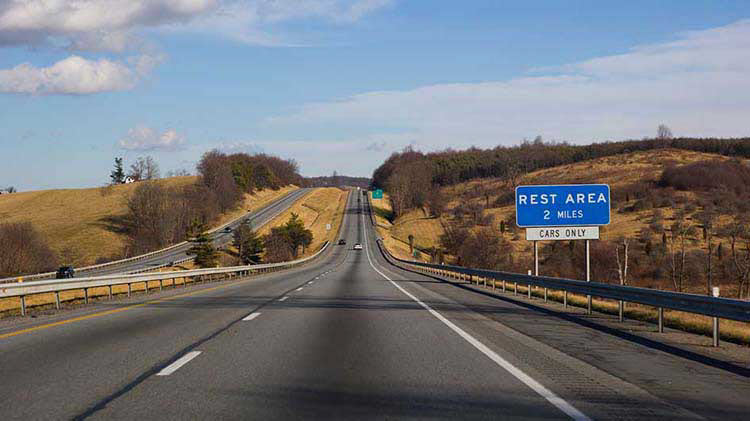
Travel can be much more than a break from everyday responsibilities. For someone rebuilding life after addiction, visiting a new place can create opportunities to rediscover interests, strengthen confidence, reconnect with personal values, and experience enjoyment without relying on substances. Meaningful travel is not about escaping problems or finding a temporary cure for emotional pain. Instead, it can become one part of a broader healthy lifestyle that supports mental health, personal growth, and long term recovery.
The key is approaching travel with purpose. When a journey reflects your recovery goals and personal values, the experience can become more than a vacation. It can become a reminder that life in recovery can include curiosity, connection, achievement, and genuine enjoyment.
Why Meaningful Experiences Matter After Addiction
Addiction can gradually narrow a person’s world. Activities that once provided pleasure may become less important as substance use takes priority. Relationships can become strained, responsibilities may be neglected, and interests that once created a sense of identity can disappear.
Recovery creates an opportunity to rebuild.
Rediscovering Who You Are
Life after addiction is not simply about stopping substance use. It also involves developing a life that gives you reasons to continue making healthy choices.
Travel can help with this process by giving you opportunities to ask important questions:
- What genuinely interests me?
- What places have I always wanted to experience?
- What activities make me feel energized?
- What values do I want my life to reflect?
- What kind of person do I want to become?
A trip does not have to answer all of these questions. However, new experiences can provide perspective that is sometimes difficult to find when life feels repetitive.
Creating New Associations With Enjoyment
For some people, past travel experiences may be strongly connected with drinking, drug use, parties, or other unhealthy behaviors.
Creating new experiences in different environments can help establish a different relationship with travel.
A hike through a national park, a visit to a museum, a scenic train journey, a photography trip, or a quiet weekend exploring a historic community can demonstrate that excitement and enjoyment do not have to depend on substances.
That realization can become an important part of rebuilding confidence in recovery.
Travel Can Support Mental Health Without Replacing Treatment
Meaningful travel can complement mental wellness, but it should not be presented as a substitute for professional treatment.
Addiction and mental health conditions can require structured, individualized care. A vacation cannot replace counseling, therapy, medication management, recovery support, or other appropriate services.
Know the Difference Between Travel and Escape
There is an important distinction between traveling for healthy exploration and traveling because you hope a new location will make difficult problems disappear.
Changing your surroundings may provide temporary relief from stress. However, unresolved addiction or mental health concerns generally require more than a change of scenery.
If you are experiencing significant cravings, worsening depression or anxiety, active substance use, or emotional instability, professional support should take priority.
Travel can be part of a healthy life. It should not be expected to do the work of treatment.
Use Travel as a Complement to Recovery
When treatment and recovery are stable, travel may provide opportunities to practice skills you have developed.
You may practice setting boundaries with travel companions, managing unexpected changes, communicating your needs, handling stress, and choosing activities that support your well-being.
These experiences can reinforce the idea that recovery skills are useful in everyday life, not just inside a treatment setting.
Choose Destinations That Reflect Your Values
Meaningful travel begins with choosing experiences that matter to you.
Instead of asking only, “Where should I go?” consider asking, “Why do I want to go there?”
Travel With a Personal Purpose
Your purpose could be simple.
Perhaps you want to reconnect with nature. Maybe you want to learn about history, explore your family heritage, experience another culture, photograph landscapes, visit a place you have always dreamed about, or spend quality time with people you love.
The purpose does not need to sound impressive.
What matters is that the experience has personal meaning.
Let Your Interests Guide Your Itinerary
If you enjoy art, build a trip around galleries and cultural attractions.
If you love nature, consider parks, forests, mountains, lakes, or coastal areas.
If you enjoy history, explore historic communities and museums.
If food is important to you, discover local cuisine through experiences that align with your recovery boundaries.
This approach can make travel feel more intentional and help you develop healthy interests that continue after the trip.
Build Confidence Through New Experiences
Addiction can affect confidence and decision making. In recovery, learning to trust yourself again can take time.
Travel provides small opportunities to practice independence.
Start With Manageable Adventures
A meaningful trip does not have to involve crossing the continent.
If traveling still creates anxiety, begin with something manageable. A day trip, weekend getaway, nearby hiking excursion, or short visit to another city may provide enough novelty without creating unnecessary pressure.
As confidence grows, you can consider longer or more complex trips.
This gradual approach can help you learn what works for you.
Celebrate Healthy Decisions
Every healthy choice on a trip is worth recognizing.
Choosing to leave an uncomfortable environment, asking for help, declining alcohol, taking time to rest, or communicating a boundary may seem like a small decision.
In reality, these moments demonstrate that you are capable of protecting your recovery while still participating in life.
Confidence is often built through repeated experiences of making healthy choices.
Use Travel to Strengthen Healthy Relationships
Meaningful travel can also create opportunities for connection.
Relationships are often affected by addiction, and rebuilding trust may take considerable time. Shared experiences can provide opportunities to reconnect in healthier ways.
Travel With People Who Support Your Recovery
Choose companions who respect your boundaries and understand that recovery remains important.
A supportive companion does not have to understand every aspect of addiction. They simply need to respect your decisions.
That may mean accepting when you do not want to visit a particular location, supporting your need for rest, or understanding why you choose not to drink or use substances.
Create Shared Memories Without Substances
Consider planning activities where conversation and shared experiences are the focus.
A hike, cultural event, scenic drive, museum visit, photography outing, or local food experience can create memories that are not associated with substance use.
Over time, these experiences can help relationships develop around healthier interests.
Make Mental Wellness Part of the Journey
Meaningful travel works best when you continue paying attention to your mental health.
Protect Your Emotional Energy
Even positive experiences can become overwhelming when there are too many of them.
Avoid creating an itinerary that leaves no room to breathe.
Schedule periods when you can simply slow down. Read a book, sit outside, take a quiet walk, write in a journal, or spend time reflecting on what you have experienced.
A meaningful trip is not measured by the number of attractions you visit.
Practice Self Awareness
During your trip, pay attention to changes in your emotional state.
Ask yourself:
- Am I enjoying this experience?
- Am I becoming overwhelmed?
- Do I need some time alone?
- Am I getting enough sleep?
- Have I maintained my recovery practices?
- Am I feeling connected to the people around me?
- Are cravings or difficult emotions becoming stronger?
Self awareness gives you an opportunity to respond before a problem becomes more serious.
Incorporate Holistic Wellness Into Travel
Recovery involves more than addressing addictive behavior. For many people, physical health, emotional wellness, relationships, purpose, and spirituality all contribute to a healthier life.
Find Simple Ways to Stay Grounded
Holistic practices can travel with you.
You might practice meditation in the morning, stretch after a long drive, spend time outdoors, keep a journal, listen to calming music, practice gratitude, or take several quiet minutes before bed.
The goal is not to create another demanding routine. It is to maintain small practices that help you remain connected to yourself.
Make Space for Spiritual Growth
For people who include faith in their recovery, meaningful travel can also provide opportunities for spiritual reflection.
Prayer, scripture, worship, visiting a local church, or spending quiet time in nature may help reinforce personal values and a sense of purpose.
Faith based recovery is personal, and spiritual practices should reflect an individual’s beliefs. A personalized approach recognizes that no single method works for everyone.
Let Travel Challenge You in Healthy Ways
Growth often happens when people step outside familiar patterns.
Travel can provide opportunities to practice flexibility without putting recovery at unnecessary risk.
Learn From Unexpected Changes
A canceled activity, bad weather, traffic delay, or change of plans can be frustrating.
Instead of viewing every disruption as a failure, consider it an opportunity to practice flexibility.
Recovery involves learning that uncomfortable emotions do not have to control your behavior. Travel can provide real world opportunities to practice that principle.
Know When to Step Back
Healthy flexibility also means recognizing when you need a break.
If you become overwhelmed, take a step back. Change your plans if necessary. Talk to someone you trust. Return to a comfortable environment.
There is strength in recognizing your limits.
Consider Professional Support When You Need It
Travel can support a healthy lifestyle, but some challenges require professional attention.
If addiction continues to interfere with your relationships, responsibilities, emotional health, or ability to enjoy life, seeking help can be an important next step.
Explore Individualized Treatment Options
Addiction recovery services and mental health treatment can take different forms depending on individual circumstances.
Some people may benefit from outpatient care that provides structured support while allowing them to continue working, attending school, or managing family responsibilities. Others may need inpatient care when greater structure, supervision, or stabilization is appropriate.
Holistic and faith based approaches may also be incorporated when they align with an individual’s preferences and treatment goals.
The most important consideration is finding support that addresses the whole person rather than treating everyone according to the same formula.
Remember That Asking for Help Is Progress
You do not need to wait until everything feels out of control before seeking assistance.
Early support can help you understand what is happening and identify practical next steps.
Reaching out is not a sign that recovery is failing. It is often a sign that you are taking your future seriously.
Bring the Meaning Home
Perhaps the most valuable part of meaningful travel happens after you return.
A trip can introduce you to experiences that you want to continue incorporating into everyday life.
Turn Travel Lessons Into Daily Habits
If walking through nature helped you feel calm, find ways to spend more time outdoors at home.
If visiting museums sparked a creative interest, continue exploring art.
If meaningful conversations with family strengthened your relationships, make more time for those connections.
If journaling helped you process your experiences, keep writing.
Travel becomes more valuable when its lessons remain useful after you unpack your bags.
Build a Life Worth Returning To
Long term recovery is not only about avoiding substances. It is about building a life in which healthy choices have meaning.
That may include meaningful relationships, purposeful work, hobbies, spirituality, physical wellness, personal goals, and experiences that create genuine satisfaction.
Travel can be one part of that larger picture.
Conclusion: Make Your Journey Part of Your Recovery Story
Meaningful travel is not about running away from the past. It is about discovering what can be built beyond it.
For people in recovery, new places can provide opportunities to rediscover interests, strengthen relationships, practice healthy decision making, and experience pleasure without substances. When travel is approached thoughtfully, it can become a reminder that life after addiction can contain purpose, adventure, connection, and hope.
Start by choosing experiences that reflect your values. Travel at a pace that fits your current needs. Stay connected to supportive people, protect your mental health, and make room for holistic or faith based practices that bring personal meaning.
Most importantly, remember that travel should complement recovery, not replace professional care.
If addiction or mental health challenges continue to interfere with your ability to build the life you want, reaching out for individualized support can be an important step. Depending on your needs, treatment may include outpatient or inpatient care, mental health services, holistic approaches, or faith based support.
Your past does not have to determine the experiences available to you in the future. Recovery can open the door to a life that is larger than addiction. Sometimes, the first step toward discovering that life is simply giving yourself permission to experience something meaningful again.